Metallic Colors Hex Codes
Metallic colors hex codes represent shiny, reflective color tones inspired by metals like gold, silver, bronze, and copper. These colors are widely used in web design, branding, UI elements, luxury websites, and modern digital interfaces.
Popular Metallic Color Hex Codes
Popular Metallic Color Hex Codes
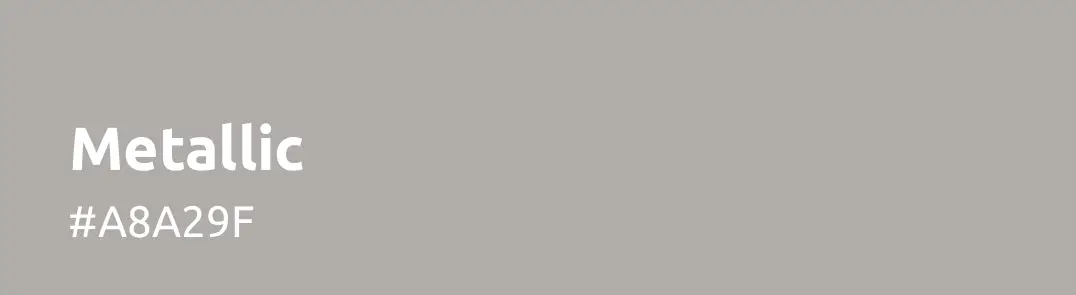
Metallic Color HEX Code (#A8A29F) Guide
Metallic colors are known for their rich, reflective, and premium appearance. Unlike flat colors, metallic shades are designed to mimic the look of polished metals such as gold, silver, bronze, and steel. These colors are widely used in branding, UI accents, product design, and luxury visuals.
This guide explains metallic color hex codes, how they are represented digitally, the meaning behind metallic shades, and how designers use them effectively. It also highlights commonly used values such as the metallic gold color hex code.
What Are Metallic Colors?
Metallic colors are color representations that simulate the appearance of metal surfaces. In real life, metallic finishes reflect light differently depending on texture and angle. In digital design, this effect is approximated using specific color values, gradients, and highlights.
While hex codes alone cannot fully recreate a reflective metal surface, carefully chosen metallic hex colors provide a convincing visual base when combined with shading or gradients.
Common Metallic Color Hex Codes
Metallic Color Conversion Table
| Metallic Color | HEX Code | RGB Value |
|---|---|---|
| Metallic Gold | #D4AF37 | rgb(212, 175, 55) |
| Metallic Silver | #C0C0C0 | rgb(192, 192, 192) |
| Metallic Bronze | #CD7F32 | rgb(205, 127, 50) |
| Metallic Copper | #B87333 | rgb(184, 115, 51) |
| Metallic Steel | #71797E | rgb(113, 121, 126) |
| Metallic Chrome | #E8E8E8 | rgb(232, 232, 232) |
Among these, the metallic gold color hex code (#D4AF37) is one of the most widely searched and used metallic shades, especially in premium branding and decorative design.
Meaning and Psychology of Metallic Colors
Metallic colors often communicate value, durability, and prestige. Because metals are associated with wealth, strength, and craftsmanship, metallic shades naturally feel more refined and high-end compared to flat colors.
- Gold represents luxury, success, and achievement
- Silver represents modernity and innovation
- Bronze represents tradition and reliability
- Copper represents warmth and craftsmanship
Metallic Colors in Modern Design
In modern design, metallic colors are typically used as accent colors rather than primary backgrounds. They add depth and visual interest without overwhelming the layout. Metallic shades are common in logos, buttons, icons, and decorative elements.
- Branding uses metallics to convey premium quality
- UI design uses metallic accents for emphasis
- Product design uses metallic finishes for realism
- Marketing visuals use metallics for luxury appeal
How to Use Metallic Colors Effectively
Web and UI Design
Metallic colors work best when paired with dark or neutral backgrounds. Using gradients or subtle highlights helps simulate a metallic finish more realistically.
Branding and Logos
Brands often use metallic gold or silver to suggest exclusivity and trust. These colors should be used sparingly to maintain impact.
Print and Visual Media
In print, metallic inks or foils provide true reflectivity. Digital metallic hex codes are often used as previews or design references.
Product and Packaging Design
Metallic colors enhance perceived value in packaging and product visuals, especially in luxury and premium categories.
Limitations of Metallic Hex Codes
Hex codes represent flat color values and cannot fully replicate real metallic reflection. To achieve a true metallic look, designers often combine metallic hex codes with gradients, shadows, or texture overlays.
Frequently Asked Questions
What is a metallic color hex code?
A metallic color hex code is a hexadecimal color value used to represent a metal-like appearance in digital design.
What is the metallic gold color hex code?
A commonly used metallic gold color hex code is #D4AF37.
Can hex codes create real metallic effects?
Hex codes alone cannot create real metallic reflections, but they provide a base color that can be enhanced with gradients and highlights.
What metallic colors are most popular?
Gold, silver, bronze, and copper are the most commonly used metallic colors in design.
Are metallic colors suitable for backgrounds?
Metallic colors are usually better suited for accents rather than large backgrounds due to their visual intensity.
Why do metallic colors look different on screens?
Metallic colors depend on light reflection, which screens cannot reproduce fully, so appearance varies by display and design treatment.
You may also like
Latest from the Blog
Tips, guides and tutorials to help you get the most out of our tools