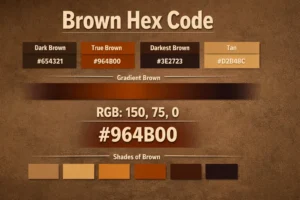
Brown Color Hex Code
Brown color hex codes are associated with earthiness, stability, warmth, and reliability. Brown is often used in natural, organic, and rustic design themes.
Popular Brown Color Hex Codes
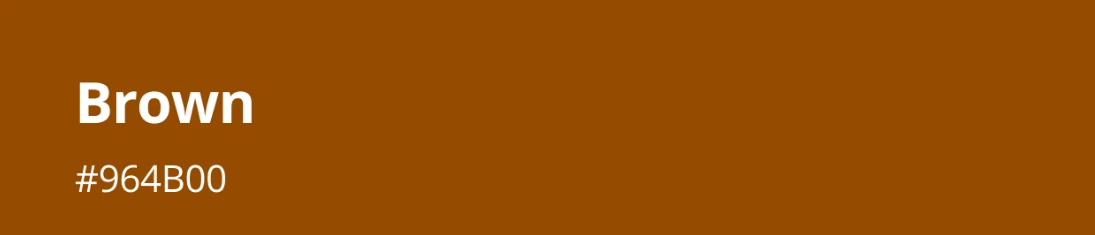
Brown Color HEX Code (#964B00)
Brown is one of the most familiar colors in everyday life. It appears in nature, architecture, food, fashion, and digital design, often without drawing attention to itself. Despite its quiet presence, brown plays an important role in visual communication because it conveys warmth, stability, and authenticity.
This page explains the brown color hex code, its background, psychological meaning, related shades, color combinations, and how brown is commonly used in modern design systems.
What Is Brown Color?
Brown is a composite color created by mixing red, yellow, and blue, or by darkening orange. It belongs to the family of warm, earthy tones and is closely associated with natural materials such as wood, soil, leather, and stone. Because of this connection, brown often feels grounded and reliable.
In digital design, brown does not have a single universal value. However, one of the most widely referenced standard representations is #964B00, which reflects a rich, natural brown commonly used as a baseline in web and graphic design.
- HEX: #964B00
- RGB: rgb(150, 75, 0)
Brown Color Code Values
Brown Color Conversion Table
| Color Model | Value |
|---|---|
| HEX | #964B00 |
| RGB | rgb(150, 75, 0) |
| CMYK | 0%, 50%, 100%, 41% |
| HSL | 30°, 100%, 29% |
| HSV | 30°, 100%, 59% |
| Pantone (Approx.) | Pantone 4695 C |
These values align with commonly used color systems across digital interfaces, print workflows, and professional branding standards.
History of Brown Color
Brown has been part of human expression since prehistoric times. Early humans used brown pigments derived from soil, clay, and natural minerals to create cave paintings, pottery, and tools. Because these materials were easily available, brown became one of the earliest colors used in art and daily life.
In ancient cultures, brown symbolized land, fertility, and survival. As societies evolved, the color became linked with craftsmanship and manual skill rather than luxury. In modern history, brown gained renewed importance through its association with natural materials, sustainability, and traditional workmanship.
Meaning and Psychology of Brown
Brown is strongly associated with stability, comfort, and reliability. It feels grounded and reassuring, making it an effective choice when trust matters more than visual impact. Unlike brighter colors, brown does not seek attention; instead, it creates a sense of quiet confidence.
- Represents earth, wood, and organic materials
- Creates feelings of comfort and security
- Feels warm, honest, and dependable
- Suggests tradition and long-term value
Related Colors to Brown
Brown exists in many variations, depending on undertone and brightness. Some shades lean warmer, while others appear more neutral or muted. These variations allow designers to adapt brown to different moods and environments.
- Chocolate Brown
- Coffee Brown
- Tan
- Beige
- Chestnut
- Walnut
Brown in Modern Design
In modern design, brown is widely used by brands that want to appear authentic and trustworthy. It works particularly well in industries focused on food, coffee, leather goods, furniture, sustainability, and handmade products. Brown pairs naturally with textures like wood, paper, and fabric.
- Branding uses brown to communicate craftsmanship
- Web design uses brown for earthy or organic themes
- Packaging uses brown to suggest sustainability
- Interior design uses brown to add warmth and balance
How to Use Brown Color Effectively
Web and UI Design
Brown works best as a supporting or background color in digital interfaces. It pairs well with off-white text, soft neutrals, and muted accent colors, creating a comfortable viewing experience.
Branding and Logos
Brands related to coffee, food, wood, leather, and natural products often rely on brown to reinforce trust and authenticity without appearing flashy.
Print and Packaging
In print, brown feels tactile and natural, especially when used on recycled or textured materials. It reinforces an eco-friendly or handcrafted image.
Interior and Product Design
Brown adds structure and warmth to interiors and products. It works well with natural light and complements both modern and traditional styles.
Brown Color in Accessibility and Readability
Brown can provide good readability when contrast is handled correctly. Lighter brown shades work well with dark text, while darker browns pair better with light text. Maintaining sufficient contrast ensures brown remains accessible across screens and printed formats.
Frequently Asked Questions
What is a brown colour?
Brown is a warm, earthy color created by mixing primary colors or by darkening orange.
What is the brown color hex code?
A commonly used brown color hex code is #964B00, although many shades of brown exist.
What colors go with brown?
White, beige, cream, blue, green, and gold pair well with brown.
Is brown a warm or cool color?
Brown is generally considered a warm color, especially when it has red or orange undertones.
Why is brown used in branding?
Brown communicates reliability, authenticity, and comfort, making it suitable for natural and traditional brands.
What color makes brown?
Brown is created by mixing red, yellow, and blue together, or by darkening orange. In paint and pigment mixing, combining complementary colors such as blue and orange can also produce brown. The exact shade depends on the color ratios and lightness.
What does the color brown symbolize?
Brown symbolizes stability, reliability, and connection to nature. It is often associated with earth, wood, and natural materials, which gives it a grounded and dependable feel. Brown also represents simplicity, honesty, and resilience.
What does brown colour represent?
Brown represents warmth, comfort, and security. It is commonly linked with tradition, craftsmanship, and long-lasting value. Because it feels natural and familiar, brown is often used to create a sense of trust and authenticity.
What does brown color mean?
Brown means balance and practicality. It reflects a down-to-earth mindset and a preference for stability over attention. In design and branding, brown often communicates strength, reliability, and a close connection to the natural world.
Trusted Sources
Learn more about professional color standards from the Pantone Color Institute: https://www.pantone.com/
Understand official web color definitions with the W3C color specifications at https://www.w3.org/TR/css-color-4/
Explore how HTML and CSS handle color codes on MDN Web Docs: https://developer.mozilla.org/en-US/docs/Glossary/html_color_codes
Design custom palettes with the official Adobe Color palette generator: https://color.adobe.com/
You may also like
Latest from the Blog
Tips, guides and tutorials to help you get the most out of our tools