Cyan Color Hex Code
Cyan color hex codes represent freshness, clarity, and modern aesthetics. Cyan is often used in technology, healthcare, and futuristic UI designs.
Popular Cyan Color Hex Codes
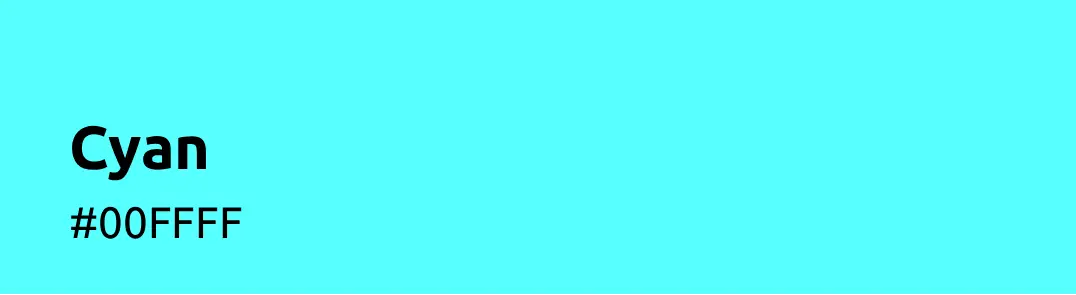
Cyan Color Hex Code (#00FFFF)
Cyan is a bright, refreshing color that feels clean, modern, and energetic. It is commonly associated with water, sky, and technology, which gives it a cool and calming presence. Because cyan is highly visible yet not aggressive, it is widely used in digital interfaces, branding, and visual communication.
This page explains the cyan color hex code, how the color is created, its psychological meaning, related shades, color combinations, and how cyan is commonly applied in modern design systems.
What Is Cyan Color?
Cyan is a color that sits between blue and green on the color spectrum. In digital color models, it is considered a secondary color created by combining green and blue light with no red. This balance gives cyan its distinctive cool and fresh appearance.
Cyan is also one of the primary colors in the CMYK color model used for printing, where it plays a key role in producing a wide range of printed colors.
- HEX: #00FFFF
- RGB: rgb(0, 255, 255)
Cyan Color Code Values
Cyan Color Conversion Table
| Color Model | Value |
|---|---|
| HEX | #00FFFF |
| RGB | rgb(0, 255, 255) |
| CMYK | 100%, 0%, 0%, 0% |
| HSL | 180°, 100%, 50% |
| HSV | 180°, 100%, 100% |
| Pantone (Approx.) | Pantone Process Cyan C |
These values are consistent across digital displays, design tools, and print workflows, making cyan a reliable and widely supported color.
History of Cyan Color
The term “cyan” comes from the Greek word meaning dark blue. While cyan pigments existed in nature, the color gained significant importance with the development of modern printing and digital color systems. Its role as a primary ink color in CMYK printing made cyan essential to graphic and commercial printing.
As digital displays evolved, cyan became a common choice in technology-focused designs because of its clarity and futuristic feel.
Meaning and Psychology of Cyan
Cyan is associated with calmness, clarity, and freshness. It combines the stability of blue with the renewal of green, creating a color that feels balanced and refreshing. Cyan often conveys cleanliness, efficiency, and modernity.
- Represents clarity and freshness
- Feels calm and cooling
- Associated with water, air, and technology
- Encourages focus without heaviness
Related Shades of Cyan
Cyan appears in several variations depending on brightness and tone. These shades allow designers to soften or deepen the look while maintaining the cool cyan character.
- Light Cyan
- Aqua
- Turquoise
- Electric Cyan
- Soft Teal
Cyan in Modern Design
In modern design, cyan is frequently used in technology, healthcare, and wellness-related products. It feels clean and contemporary, making it suitable for both backgrounds and accent elements when used thoughtfully.
- Web design uses cyan for highlights and accents
- UI design uses cyan for interactive states
- Branding uses cyan to suggest innovation
- Visual media uses cyan for clean contrast
How to Use Cyan Color Effectively
Web and UI Design
Cyan works well for buttons, icons, and highlights. Pairing it with dark gray, navy, or white helps maintain contrast and readability.
Branding and Marketing
Brands use cyan to communicate clarity, freshness, and a modern outlook. It is common in technology and wellness industries.
Print and Visual Media
In print, cyan provides clean and vibrant results, especially when combined with neutral tones.
Product and Interface Design
Cyan adds a futuristic and technical feel to products and interfaces without feeling harsh.
Cyan Color in Accessibility and Readability
Cyan requires careful contrast management, especially on light backgrounds. Dark text generally works best on cyan backgrounds, while cyan text should be used sparingly to ensure readability and accessibility.
Frequently Asked Questions
What color is cyan?
Cyan is a blue-green color that sits between blue and green on the color spectrum.
How to create cyan color?
In digital color systems, cyan is created by combining green and blue with no red.
Is cyan blue or green?
Cyan is a blend of blue and green, sharing characteristics of both colors.
What is the cyan color hex code?
The standard cyan color hex code is #00FFFF.
What colors go well with cyan?
White, navy blue, gray, black, and soft neutrals go well with cyan.
Is cyan suitable for backgrounds?
Cyan can be used for backgrounds when paired with proper contrast, though softer shades are often more comfortable for large areas.
Latest from the Blog
Tips, guides and tutorials to help you get the most out of our tools