Lime Color Hex Code
Lime color hex codes represent freshness, energy, and vibrancy. Lime is commonly used for highlights, call-to-action elements, and modern, energetic user interface designs.
Popular Lime Color Hex Codes
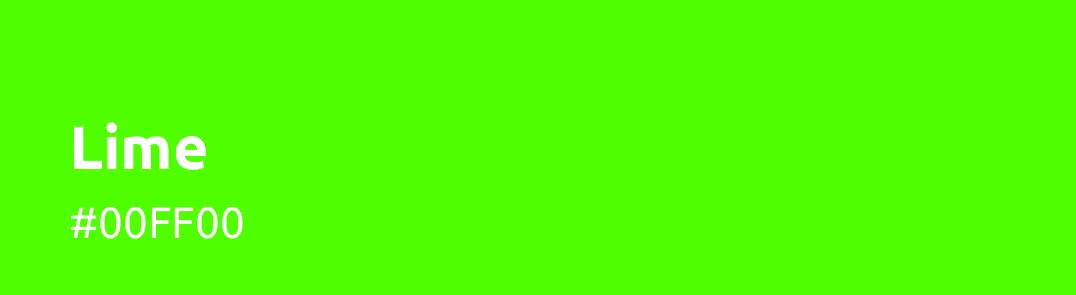
Lime Color Hex Code (#00FF00)
Lime is one of the brightest and most energetic colors in the digital color spectrum. It instantly draws attention and feels fresh, vibrant, and modern. Because of its high visibility, lime is commonly used in interfaces, highlights, safety visuals, and designs that need to stand out quickly.
This page explains the lime color hex code, its background, psychological meaning, related shades, color combinations, and how lime is commonly applied in modern digital and visual design.
What Is Lime Color?
Lime is a vivid shade of green that sits at the extreme bright end of the green spectrum. It is often described as electric green or neon green due to its intensity. Lime differs from standard green by having maximum brightness and saturation in digital color systems.
In RGB-based color models, lime is created using full green intensity with no red or blue. This makes lime one of the purest and most intense greens available in digital displays.
- HEX: #00FF00
- RGB: rgb(0, 255, 0)
Lime Color Code Values
Lime Color Conversion Table
| Color Model | Value |
|---|---|
| HEX | #00FF00 |
| RGB | rgb(0, 255, 0) |
| CMYK | 100%, 0%, 100%, 0% |
| HSL | 120°, 100%, 50% |
| HSV | 120°, 100%, 100% |
| Pantone (Approx.) | Pantone 802 C |
These values are consistent across digital displays and design tools, making lime easy to reproduce accurately in web and interface design.
History of Lime Color
The color lime takes its name from the lime fruit, which has a bright green outer skin. While green pigments have existed for centuries, the intense lime shade became popular much later with the development of digital displays and synthetic pigments capable of producing highly saturated colors.
In modern usage, lime is strongly associated with technology, visibility, and high-energy environments rather than traditional or natural symbolism.
Meaning and Psychology of Lime
Lime is associated with energy, alertness, and freshness. It feels lively and stimulating, which makes it effective for drawing attention quickly. However, because of its brightness, lime works best when used in moderation.
- Represents energy and vitality
- Feels fresh and modern
- Encourages alertness and focus
- Creates strong visual impact
Related Shades of Lime
Lime exists alongside other bright green shades, each varying slightly in tone and intensity. These variations allow designers to choose a similar look with slightly reduced brightness.
- Neon Green
- Electric Green
- Chartreuse
- Light Green
- Spring Green
Lime in Modern Design
In modern design, lime is often used for emphasis rather than as a dominant color. It works well for highlights, notifications, progress indicators, and call-to-action elements that need immediate attention.
- Web design uses lime for alerts and highlights
- UI design uses lime for active states and indicators
- Branding uses lime to appear bold and innovative
- Product design uses lime for high-visibility elements
How to Use Lime Color Effectively
Web and UI Design
Lime works best as an accent color. It should be paired with dark or neutral backgrounds to reduce eye strain and maintain readability.
Branding and Marketing
Brands use lime to signal innovation, energy, and boldness. It is common in tech, sports, and youth-focused brands.
Print and Visual Media
In print, lime is often used for signage and warnings because of its high visibility.
Product and Industrial Design
Lime improves visibility in tools, safety gear, and technical products where attention is critical.
Lime Color in Accessibility and Readability
Because lime is extremely bright, contrast management is essential. Dark text or elements usually work better on lime backgrounds, while lime text should be used sparingly on dark surfaces to maintain readability.
Frequently Asked Questions
What is the lime color hex code?
The standard lime color hex code is #00FF00.
Is lime the same as green?
Lime is a brighter and more saturated shade of green, often described as electric or neon green.
Why is lime so bright on screens?
Lime uses maximum green intensity in RGB color systems, which makes it appear very bright on digital displays.
What colors go well with lime?
Black, dark gray, navy blue, white, and charcoal pair well with lime.
Is lime suitable for backgrounds?
Lime is generally better suited for accents rather than large background areas due to its brightness.
What is the RGB value for lime?
The RGB value for lime is rgb(0, 255, 0).
You may also like
Latest from the Blog
Tips, guides and tutorials to help you get the most out of our tools