Pastel Colors Hex Codes
Pastel colors hex codes are soft, muted color values commonly used in modern UI design, branding, illustrations, and web backgrounds. These gentle shades create a calm, minimal, and aesthetic visual experience across websites and applications.
Popular Pastel Color Hex Codes
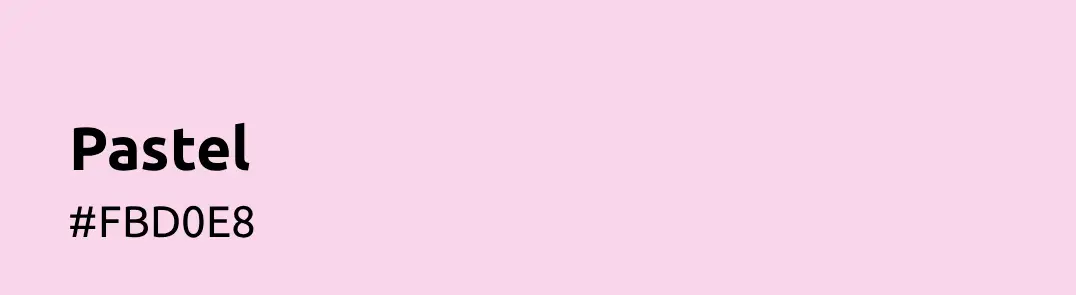
Pastel Colors Hex Codes (#FBD0E8)
Pastel colors are soft, muted tones created by adding white to pure colors. They feel gentle, calming, and approachable, which makes them popular in modern design, branding, interiors, and digital interfaces. Unlike bold or saturated colors, pastel shades create a relaxed visual experience.
This guide covers pastel colors hex codes, explains what pastel colors are, why they are widely used, and how designers apply pastel palettes effectively across digital and visual design projects.
What Are Pastel Colors?
Pastel colors are lightened versions of standard colors. They have lower saturation and higher brightness, which gives them a soft and airy appearance. Pastels are not overpowering and work well in designs that aim to feel friendly, modern, or minimal.
In digital design, pastel colors are defined using hex codes just like any other color. The difference lies in their lighter values, which reduce visual intensity while maintaining color identity.
Popular Pastel Colors Hex Codes
Pastel Color Reference Table
| Pastel Color | HEX Code | RGB Value |
|---|---|---|
| Pastel Pink | #FADADD | rgb(250, 218, 221) |
| Pastel Blue | #AEC6CF | rgb(174, 198, 207) |
| Pastel Green | #C1E1C1 | rgb(193, 225, 193) |
| Pastel Yellow | #FFF5BA | rgb(255, 245, 186) |
| Pastel Purple | #DCD0FF | rgb(220, 208, 255) |
| Pastel Peach | #FFDAB9 | rgb(255, 218, 185) |
These pastel hex codes are commonly used in web design, UI components, branding visuals, and creative layouts where a soft and welcoming look is desired.
Meaning and Psychology of Pastel Colors
Pastel colors are associated with calmness, comfort, and emotional softness. They reduce visual stress and help create a sense of openness and friendliness. Because of this, pastels are often used in wellness brands, lifestyle products, and user-focused digital experiences.
- Pastel blue feels calm and trustworthy
- Pastel pink feels warm and caring
- Pastel green feels fresh and balanced
- Pastel yellow feels cheerful and light
Pastel Colors in Modern Design
In modern design, pastel colors are widely used to soften interfaces and improve user experience. They work especially well when combined with white space, simple typography, and clean layouts. Pastels are also popular in minimal and Scandinavian-inspired design styles.
- Web design uses pastels for backgrounds and cards
- UI design uses pastel tones for subtle highlights
- Branding uses pastels to appear friendly and modern
- Interior design uses pastels for relaxing environments
How to Use Pastel Colors Effectively
Web and UI Design
Pastel colors work best with dark or neutral text to maintain readability. They are ideal for backgrounds, sections, and soft call-to-action areas.
Branding and Marketing
Brands use pastel palettes to communicate approachability, care, and emotional connection. Pastels are especially effective for lifestyle, wellness, and creative brands.
Print and Visual Media
In print, pastel colors create elegant and subtle visuals. They work well for invitations, packaging, and editorial layouts.
Product and Interior Design
Pastel tones add comfort and warmth to physical spaces and products without feeling overwhelming.
Pastel Colors and Accessibility
Because pastel colors are light, contrast must be handled carefully. Dark text and clear spacing are essential to ensure readability and accessibility, especially in digital environments.
Frequently Asked Questions
What are pastel colors?
Pastel colors are soft, light shades created by adding white to standard colors, resulting in a muted and gentle appearance.
What are pastel colors used for?
Pastel colors are commonly used in design to create calm, friendly, and modern visuals in digital and physical spaces.
What are the most popular pastel colors?
Popular pastel colors include pastel pink, pastel blue, pastel green, pastel yellow, and pastel purple.
Are pastel colors good for websites?
Yes, pastel colors work well for websites when combined with proper contrast and readable typography.
How do you choose a pastel color palette?
A pastel palette is usually chosen by selecting light shades with similar brightness levels to maintain visual harmony.
Do pastel colors work for professional design?
Pastel colors can work in professional design when used thoughtfully, especially for brands that value approachability and clarity.
Can pastel colors be used as backgrounds?
Yes, pastel colors are commonly used as backgrounds because they are visually soft and reduce eye strain.
Latest from the Blog
Tips, guides and tutorials to help you get the most out of our tools