Purple Color Hex Code
Purple color hex codes symbolize luxury, creativity, mystery, and imagination. Purple is often used in premium branding, creative projects, and artistic designs.
Popular Purple Color Hex Codes
Purple Color Hex Code (#800080)
Purple is a color that has long been associated with creativity, depth, and distinction. It sits between red and blue on the color spectrum, blending the energy of red with the calm of blue. Because of this balance, purple feels expressive without being overwhelming and refined without appearing dull.
This page explains the purple color hex code, its historical background, psychological meaning, related shades, color combinations, and how purple is commonly used in modern digital and visual design.
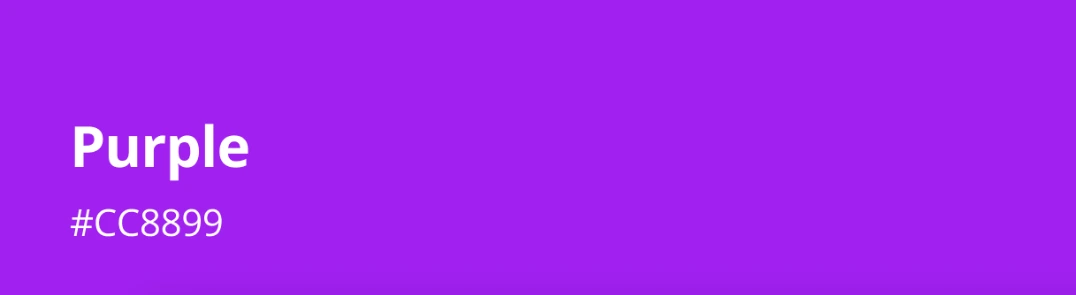
What Is Purple Color?
Purple is a secondary color created by combining red and blue. Depending on the ratio, purple can lean warmer or cooler, producing a wide range of shades from soft lavender to deep royal purple. This flexibility makes purple one of the most expressive colors in design.
In digital systems, a commonly accepted reference value for standard purple is shown below. This value is widely used in web design, UI components, and graphic work as a baseline purple tone.
- HEX: #800080
- RGB: rgb(128, 0, 128)
Purple Color Code Values
Purple Color Conversion Table
| Color Model | Value |
|---|---|
| HEX | #800080 |
| RGB | rgb(128, 0, 128) |
| CMYK | 0%, 100%, 0%, 50% |
| HSL | 300°, 100%, 25% |
| HSV | 300°, 100%, 50% |
| Pantone (Approx.) | Pantone 2602 C |
These values align with commonly used standards across digital displays, print workflows, and professional color systems.
History of Purple Color
Historically, purple was one of the most expensive colors to produce. In ancient times, purple dye was extracted from sea snails, a process that required significant labor and resources. Because of this, purple became closely associated with royalty, power, and high status.
As synthetic pigments emerged, purple became more accessible and widely used. While its association with royalty remains, modern usage has expanded to creativity, individuality, and artistic expression.
Meaning and Psychology of Purple
Purple combines the stability of blue with the energy of red, creating a color that feels thoughtful, imaginative, and expressive. It often conveys depth, introspection, and originality while still maintaining a sense of elegance.
- Represents creativity and imagination
- Associated with luxury and refinement
- Encourages introspection and originality
- Feels expressive without being aggressive
Related Shades of Purple
Purple exists in a wide range of shades, each carrying a slightly different mood. Lighter purples feel soft and calming, while darker purples appear bold and sophisticated.
- Lavender
- Violet
- Plum
- Indigo
- Amethyst
- Dark Purple
Purple in Modern Design
In modern design, purple is often used to communicate creativity, innovation, and uniqueness. It is popular among technology brands, creative platforms, wellness products, and entertainment industries. When used thoughtfully, purple adds personality without overpowering a layout.
- Web design uses purple for creative branding
- UI elements use purple to highlight unique actions
- Marketing uses purple to suggest originality
- Interior design uses purple as an accent color
How to Use Purple Color Effectively
Web and UI Design
Purple works well for accent elements, buttons, and highlights. It performs best when paired with neutral backgrounds that allow the color to stand out clearly.
Branding and Marketing
Brands use purple to communicate creativity, premium quality, and individuality. It is especially effective for artistic, beauty, and technology-focused brands.
Print and Visual Media
In print, purple adds depth and elegance. Darker purples often feel more formal, while lighter tones feel approachable.
Interior and Product Design
Purple adds character to spaces when used in moderation. Softer purples create calm environments, while deeper tones add richness.
Purple Color in Accessibility and Readability
Purple can provide good readability when contrast is managed correctly. Dark purple pairs well with white or light text, while lighter purple shades work better with dark text. Ensuring sufficient contrast improves accessibility across screens and printed materials.
Frequently Asked Questions
What does purple colour mean?
Purple represents creativity, imagination, and depth. It is often associated with luxury, individuality, and thoughtful expression.
What colors make purple?
Purple is created by mixing red and blue together.
What does the color purple represent?
The color purple represents creativity, sophistication, and originality. It often conveys a sense of uniqueness and introspection.
What does the colour purple signify?
Purple signifies creativity, elegance, and personal expression. Historically, it has also symbolized royalty and power.
What 2 colors make purple?
Red and blue are the two colors that make purple.
What colors go good with purple?
White, gray, gold, yellow, teal, and soft pink go well with purple.
What is the hex code for a dark purple color?
A commonly used dark purple hex code is #4B0082, which is often associated with indigo or deep purple tones.
What color goes well with purple?
Neutral colors like white and gray, as well as accent colors like gold and teal, pair well with purple.
What color looks good with purple?
Colors such as cream, silver, soft yellow, and light blue look good with purple when balanced properly.
Latest from the Blog
Tips, guides and tutorials to help you get the most out of our tools