Yellow Color Hex Code
Yellow color hex codes represent brightness, optimism, warmth, and attention. Yellow is commonly used for highlights, warnings, accents, and energetic UI elements in web and graphic design.
Popular Pastel Color Hex Codes
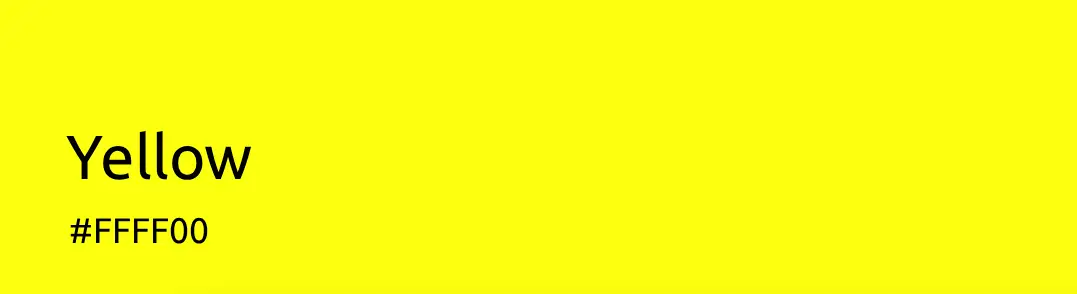
Yellow Color HEX Code (#FFFF00)
Yellow is one of the most visible and energetic colors in the spectrum. It is often associated with light, warmth, and positivity, making it a powerful color in both natural and designed environments. From sunlight to signage, yellow naturally attracts attention without needing heavy contrast.
This page explains the yellow color hex code, its background, psychological meaning, color values, related shades, and how yellow is commonly used in modern digital and visual design.
What Is Yellow Color?
Yellow is a primary color, which means it cannot be created by mixing other colors. It sits between green and orange on the visible spectrum and reflects a high amount of light, giving it a bright and energetic appearance. Because of this, yellow often feels cheerful, alert, and stimulating.
In digital color systems, yellow is represented using full red and green values with no blue. The most commonly accepted standard yellow color values are shown below.
- HEX: #FFFF00
- RGB: rgb(255, 255, 0)
Yellow Color Code Values
Yellow Color Conversion Table
| Color Model | Value |
|---|---|
| HEX | #FFFF00 |
| RGB | rgb(255, 255, 0) |
| CMYK | 0%, 0%, 100%, 0% |
| HSL | 60°, 100%, 50% |
| HSV | 60°, 100%, 100% |
| Pantone (Approx.) | Pantone Yellow C |
These values are consistent across digital displays, print workflows, and professional color systems, making yellow easy to reproduce accurately.
History of Yellow Color
Yellow has been used by humans since ancient times. Early pigments were made from natural materials such as ochre, clay, and minerals. Because yellow pigments were relatively easy to produce, the color appeared frequently in early art, decoration, and symbolism.
Across cultures, yellow has represented light, energy, and importance. In some historical contexts, it symbolized royalty or divinity, while in others it was used to mark caution and visibility. These varied uses shaped how yellow is perceived today.
Meaning and Psychology of Yellow
Yellow is strongly associated with optimism, clarity, and mental stimulation. It is often described as a happy or uplifting color, but when overused, it can feel intense due to its brightness. Balanced use allows yellow to energize without overwhelming.
- Represents happiness and optimism
- Encourages attention and alertness
- Feels warm and energetic
- Improves visibility and clarity
Related Shades of Yellow
Yellow appears in many variations depending on warmth, saturation, and brightness. These variations allow designers to use yellow in both subtle and bold ways.
- Lemon Yellow
- Mustard Yellow
- Golden Yellow
- Amber
- Pastel Yellow
- Sunflower Yellow
Yellow in Modern Design
In modern design, yellow is often used to draw attention to key elements. It works well for highlights, alerts, and accents when paired with neutral or dark colors. Yellow can also add warmth and friendliness to branding when used thoughtfully.
- Web design uses yellow for highlights and alerts
- UI design uses yellow to signal information or warnings
- Branding uses yellow to convey energy and positivity
- Interior design uses yellow to brighten spaces
How to Use Yellow Color Effectively
Web and UI Design
Yellow works best as an accent color in digital interfaces. It should be paired with sufficient contrast to maintain readability and accessibility.
Branding and Marketing
Brands use yellow to communicate optimism and friendliness. It is commonly seen in food, lifestyle, and creative industries.
Print and Visual Media
In print, yellow stands out clearly and is often used for emphasis, labels, and promotional material.
Interior and Product Design
Yellow adds warmth and brightness to interiors when used in moderation. Softer shades are often more comfortable for large areas.
Yellow Color in Accessibility and Readability
Yellow requires careful contrast management. Dark text on light yellow backgrounds generally works better than light text on bright yellow. Proper contrast ensures yellow remains accessible across screens and printed formats.
Frequently Asked Questions
What color is this yellow?
This yellow refers to the standard digital yellow represented by the hex code #FFFF00.
What colors make yellow?
Yellow is a primary color and cannot be made by mixing other colors.
What hexadecimal value yellow color has?
The hexadecimal value for standard yellow is #FFFF00.
How to find hex code of a color similar to yellow?
You can find hex codes for yellow-like colors by using a color picker tool that allows you to adjust brightness and saturation until you reach the desired shade.
How to make yellow with RGB code?
Yellow is created in RGB by using full red and green values with no blue, written as rgb(255, 255, 0).
You may also like
Latest from the Blog
Tips, guides and tutorials to help you get the most out of our tools